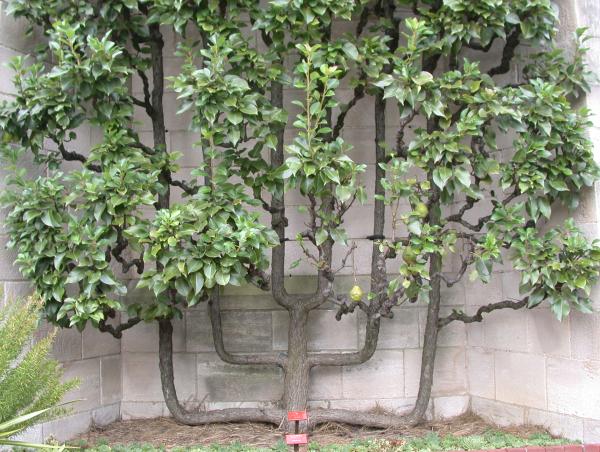
A single apple tree can flower abundantly every spring and still produce almost no fruit if there is no compatible pollinator within range during bloom. This situation is common in new home orchards where the grower has planted one tree, waited three years for first fruiting, and then found a handful of small misshapen apples — or none at all. Understanding pollination requirements before planting determines whether an orchard produces or simply grows.
Self-Pollinating vs. Cross-Pollinating Trees
The first question is whether a tree needs a partner at all.
Self-Pollinating (can bear fruit as a single tree)
- Sour/pie cherries — Montmorency, Evans, and most other tart varieties are self-fruitful. A single tree reliably sets a full crop.
- Peaches and nectarines — virtually all commercial and home-garden varieties are self-pollinating.
- Most apricots — self-fruitful, though yields often improve with a second compatible tree nearby.
- European plums — Stanley, Damson, and Valor are reliably self-fruitful. Some catalogues rate them as "partially self-fertile," which in practice means a solo tree crops adequately but a partner increases yield.
Cross-Pollinating (require at least one compatible partner)
- Apples — essentially all named apple varieties require cross-pollination from a different variety. A yard with two McIntosh trees has no more pollination benefit than a yard with one.
- Pears — European pears require cross-pollination. Plant at least two different named varieties. Bartlett and Bosc are commonly paired; Bartlett and Flemish Beauty also work.
- Sweet cherries — most sweet cherry varieties are self-incompatible. The exception is Stella, which is self-fruitful and often used as a universal pollenizer for other sweet cherries.
- Japanese plums — require cross-pollination from another Japanese plum or from a compatible European variety.
Bloom Timing Groups
Cross-pollinating trees must bloom at the same time for pollen transfer to occur. Nursery catalogues typically group apples into early, mid-season, and late-blooming categories. Within these groups, bloom overlap is sufficient for pollination in most years.
In Canadian conditions, cool spring weather delays bloom and extends the overlap window — which is generally helpful. A warm spell followed by a hard frost during bloom (a "frost pocket" event common in interior valleys and low-lying sites) can eliminate much of a year's fruit set regardless of how many compatible trees are present.
Bloom group reference for common Canadian apple varieties
- Early: Lodi (Yellow Transparent), Vista Bella, Zestar
- Mid-season: McIntosh, Honeycrisp, Cortland, Empire, Spartan, Haralson, Liberty, Freedom, Gala, Jonamac
- Late: Fuji, Braeburn, Northern Spy, Golden Delicious, Mutsu
Triploid varieties require extra attention: Mutsu (Crispin), Gravenstein, and Jonagold produce sterile pollen — they cannot serve as pollenizers for other trees. If one of these is in your orchard, you need two additional diploid varieties that can cross-pollinate each other and also pollinate the triploid. A common arrangement: Gravenstein + McIntosh + Cortland. All three bloom mid-season; McIntosh and Cortland pollinate each other and the Gravenstein, while Gravenstein's sterile pollen creates no cross-pollination contribution.
Planting Proximity
Honeybees can travel 3–4 kilometres between forage sites, and bumblebees forage more locally but remain effective pollinators within a few hundred metres. However, practical home orchard guidance from Dinter Nursery and Canadale Nurseries both recommend keeping compatible pairs within 15 metres for reliable results in Canadian spring conditions — particularly in years where cold temperatures reduce bee flight activity during the bloom window.

In a small yard where only two apple trees fit, plant them no more than 10 metres apart. In a linear row along a fence or property line, alternate varieties — AABBAABB — rather than planting all of one variety together. The alternating arrangement maximises pollination contact across the entire row.
Ornamental crabapples as pollenizers
Flowering crabapples (Malus spp.) bloom prolifically and their pollen is compatible with most apple varieties. If a neighbour's ornamental crabapple blooms within 30 metres of your apple tree during your tree's bloom period, it may be providing adequate cross-pollination already. This can explain why a "solo" apple tree in a densely gardened neighbourhood occasionally produces reasonable crops — the crabapple three doors down is serving as the pollenizer.
This does not replace the need for a dedicated pollenizer in new plantings. Crabapple bloom timing varies by species and the relationship is not predictable across all variety combinations.
Pear Pollination Specifics
European pears share the same general cross-pollination requirements as apples. Key pairings used in Canadian home orchards:
- Bartlett + Bosc — the most widely recommended pairing in zones 5–6
- Bartlett + Flemish Beauty — Flemish Beauty is hardier (zone 4) and extends the range of this pairing
- Bosc + Anjou — mid-late season pairing for zone 5–6
Seckel pear is partly self-fertile but produces better yields with a compatible cross-pollinator. It does not cross-pollinate effectively with Bartlett — the two are bloom-incompatible. This is a common error in pear pairing; confirm bloom group compatibility with the nursery before purchasing.
Sweet Cherry Pairing
Sweet cherries are the most demanding fruit tree for pollination management. Most varieties are self-incompatible and belong to specific incompatibility groups — trees within the same group cannot cross-pollinate each other even if they bloom simultaneously. Nurseries that specialise in fruit trees maintain updated group tables; verify compatibility with the nursery rather than relying on general references.
Practical note for Canadian home orchards: sweet cherries require zone 6+ minimum and shelter from late frost. For most of Canada, the question of sweet cherry pollination is secondary to the question of whether sweet cherries are viable at the site at all. Sour cherries (self-fruitful, zone 4–5 reliable) are a more practical first choice for most Canadian home growers.
What to Do in an Existing Orchard with Poor Fruit Set
If an established tree has flowered for two or more seasons without setting meaningful fruit, the possibilities in rough order of likelihood are:
- Missing or incompatible pollenizer — check whether any compatible variety blooms within 20 metres
- Frost damage during bloom — review local weather records for bloom dates and frost events
- Insufficient pollinator insects — assess whether the site is exposed to wind and how accessible flowers are to bees. A site surrounded by uninterrupted lawn with no nearby flowering plants may have very low bee activity during fruit tree bloom.
- Triploid error — verify that the existing tree's pollen is not sterile
- Biennial bearing — some varieties naturally fruit heavily every other year; check whether the prior year had a heavy crop
In most cases, adding a compatible pollenizer tree resolves the problem. If the site has reliable bee activity and the variety is not triploid, adding one mid-season diploid apple of a different named variety typically corrects poor set within one or two seasons.
Sources: Dinter Nursery Pollination Guide, Canadale Fruit Tree Pollination Guide, Niagara Tree Company Pear Pollination Guide